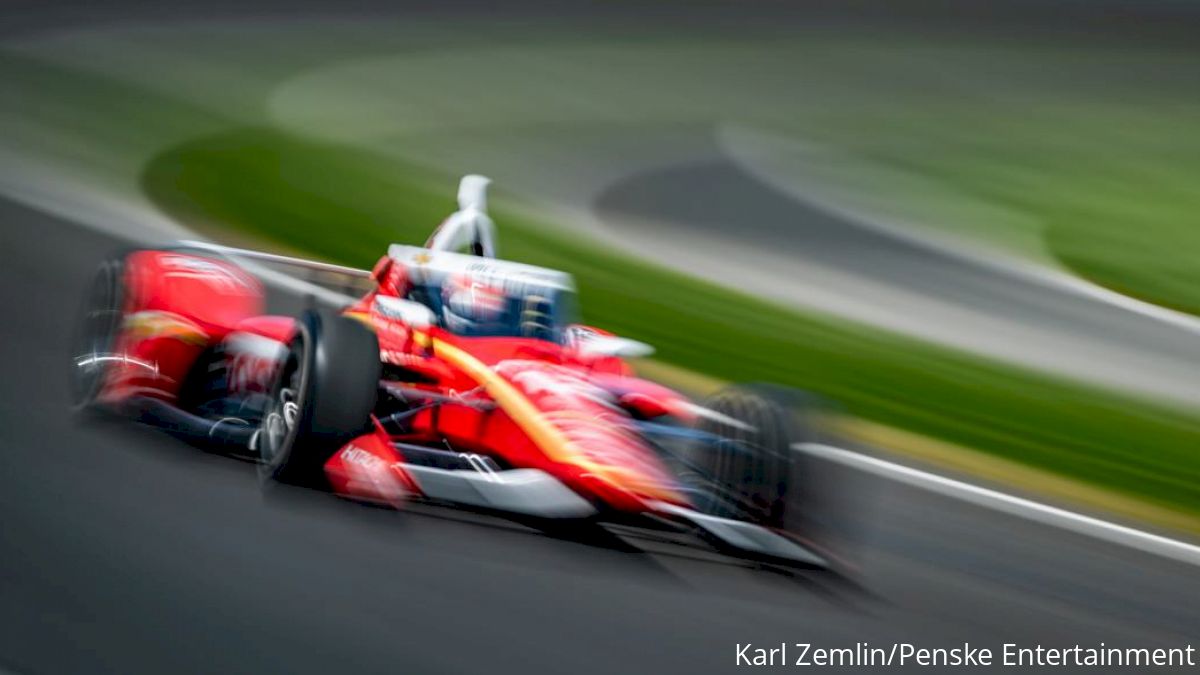
The iconic Indianapolis 500 features a unique and thrilling qualifying process that determines the starting grid for the 33-car field. Held over two days at the Indianapolis Motor Speedway, qualifications for the Indy 500 is a high-stakes event that combines speed, strategy and precision. Below, we break down the process and format step-by-step.
FOX Sports 1 has the qualifying broadcast from 11:00 a.m. – 1:30 p.m., FS2 from 1:30 – 4:00 p.m. and FOX from 4:00 — 5:50 p.m.
Overview Of Indy 500 Qualifying
Indy 500 qualifying takes place the weekend before the race over on Saturday and Sunday. Unlike other motorsport where qualifying might involve a single lap or session, Indy 500 qualifying requires drivers to complete four consecutive laps around the 2.5-mile oval, with their average speed determining their position. The process is split into two main days, with additional sessions for the fastest and slowest drivers to finalize the grid.
Day 1: Setting The Initial Indy 500 Field
Qualifying Runs
- When: Saturday before race weekend.
- What Happens: All entered cars (often more than 33) get at least one chance to qualify. Each car completes a four-lap run, and the average speed across these laps determines their qualifying position.
- Order: Teams draw for their position in the qualifying order, but they can choose to re-enter the queue later in the day if they believe conditions (e.g., track temperature or wind) improve or if they want to attempt a faster run.
- Outcome:
- Positions 13-30: The drivers with the 13th to 30th fastest average speeds lock in their starting positions for the race.
- Top 12: The 12 fastest drivers advance to the Top 12 Qualifying session on Sunday, where they compete for pole position and the first four rows.
- Last Chance Qualifying: If there are more than 33 entries, drivers outside the top 33 (or the slowest few) advance to the Last Chance Qualifying session on Sunday to fight for the final three spots in the field.
Key Notes
- Teams can withdraw a qualifying attempt before completing all four laps if they feel the run isn’t competitive, but they must return to the back of the line.
- Weather and track conditions play a significant role, as cooler temperatures often lead to faster speeds.
- After every car completes its guaranteed run, teams can make additional attempts until 5:50 p.m., but each new attempt voids the previous one.
Day 2: Finalizing The Indy 500 Lineup
Top 12 Qualifying
- When: Sunday morning/early afternoon.
- What Happens: The 12 fastest drivers from Saturday each get one four-lap qualifying run to determine the starting order for positions 1-12.
- Outcome:
- The six fastest drivers advance to the Fast Six session later that day to compete for pole position.
- The drivers ranked 7th to 12th lock in their starting positions based on their Top 12 speeds.
Fast Six (Pole Position Shootout)
- When: Sunday afternoon.
- What Happens: The six fastest drivers from the Top 12 session each get one final four-lap run to determine the pole position and the first two rows (positions 1-6).
- Outcome: The driver with the fastest average speed earns the coveted pole position, followed by the next five drivers in order of their speeds.
Last Chance Qualifying (Bump Day)
- When: Sunday, typically before or after the Top 12/Fast Six sessions.
- What Happens: If there are more than 33 entries, the drivers who didn’t secure a top 33 spot on Saturday compete for the final three spots in the field (positions 31-33). Each driver gets at least one four-lap attempt, and the three fastest secure a spot.
- Bumping: The slowest driver(s) are “bumped” from the field and do not qualify for the race, making this session one of the most dramatic in motorsport.
- Outcome: The three fastest drivers lock in positions 31-33, and any remaining drivers fail to qualify.
Key Features Of Indy 500 Qualifying
- Four-Lap Average: Unlike single-lap qualifying in other series, the Indy 500 requires consistency over four laps, testing both driver skill and car setup.
- Speed-Based: Positions are determined solely by average speed, not time, with speeds often exceeding 230 mph.
- Bumping Drama: When more than 33 cars enter, the Last Chance Qualifying creates intense pressure, as even established teams can miss the race.
- Strategic Decisions: Teams must balance the risk of multiple attempts (which could result in a slower speed or mechanical issues) with the reward of a better starting position.
- Boost Advantage: IndyCar provides a horsepower boost for qualifying, allowing cars to reach higher speeds than during practice or the race itself.
Historical Context Of Indy 500 Qualifying
The Indy 500 qualifying process has evolved over the years. The “Bump Day” drama was more prominent in eras when entries regularly exceeded 33, but recent years have seen closer to 33 entries, making bumping less common. The current format, introduced in the mid-2010s and refined since, emphasizes both accessibility (every team gets a shot) and excitement (the Fast Six and Last Chance sessions).